Whoa! The space keeps sprinting forward. Crypto used to feel like a handful of roads converging into one messy intersection. Now there are freeways, back alleys, and some dirt paths that only the brave take. My gut told me that wallets were just wallets—simple keys and addresses—but that was before multi-chain activity exploded and gas fees started playing mind games. Initially I thought a single-seed wallet would survive just fine, but then I watched a friend lose time and value hopping chains without a map, and that stuck with me.
Okay, so check this out—multi-chain wallets aren’t some nice-to-have. They fix real problems that show up when you run a portfolio across Ethereum, BSC, Arbitrum, zk chains, and maybe Solana if you’re feeling adventurous. Short version: you need clear visibility. Medium version: you need transaction rehearsal. Long version: you need a tool that ties chain-level nuance together with portfolio-level intelligence, because what looks like a tiny swap on one chain can cascade into liquidity crunches and cross-chain fragmentation if you don’t plan for gas, slippage, and approval flows, all at once.
Here’s what bugs me about most wallets: they treat transactions as atomic actions, rather than sequences that interact with real-world liquidity. Sounds obvious, right? But in practice it’s a mess. You do a swap, then approve, then bridge, then wait—only to see the price slide and fees eat your gains. That part bugs me. I learned early to simulate every step whenever possible. My instinct said: simulate first, sign later. That habit saved me money, and saved a few relationships too (oh, and by the way, saved me from posting a sad tweet or two).
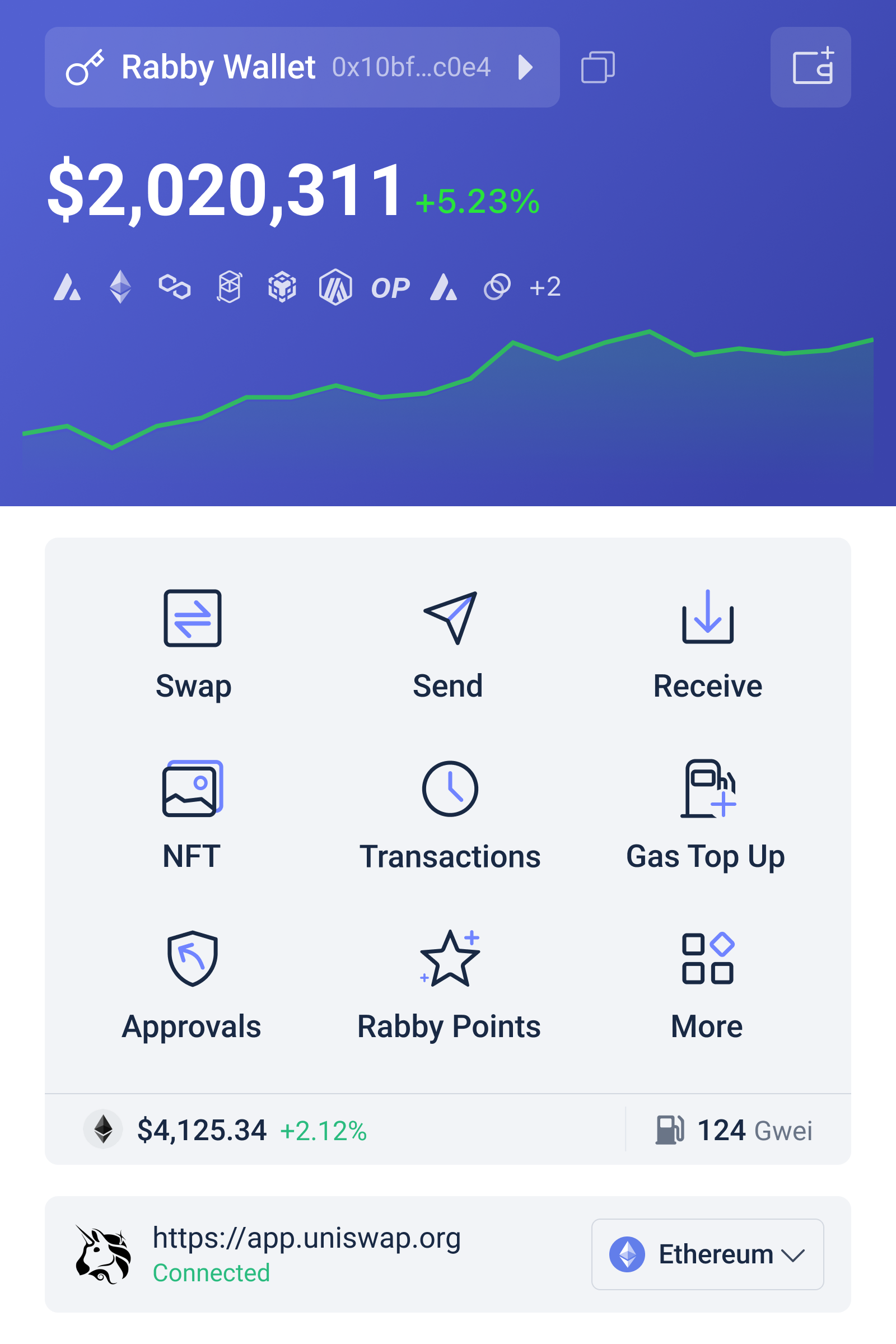
What a multi-chain wallet should actually do
Short answer: surface reality. Medium answer: surface intent and consequences before you sign. Longer and nerdier answer: model trade paths, chain-to-chain dependencies, approval scopes, and gas dynamics, then present a digestible outcome so you can make smarter calls in seconds rather than after the fact when regret is cheaper to buy than retribution. Seriously?
Transaction simulation is the linchpin. Simulate swap paths. Simulate slippage at different liquidity depths. Simulate approval behavior and gas spikes. Simulate failure scenarios. If a chain suddenly spikes in gas, your simulation should warn you that the bridge will probably timeout, or that your slippage tolerance is unrealistic for that pool size. Initially I thought simulation was overkill, but live testing taught me otherwise—real networks are noisy and unpredictable, and that unpredictability compounds across chains.
Portfolio tracking ties the whole thing together. You can follow assets across chains without mentally juggling the same token in three wallets. It’s not just a convenience; it’s risk management. When you can see your cross-chain exposure, you stop making dumb moves like over-allocating to a bridged stablecoin on a chain with poor liquidity. I like tools that roll up positions into a single P&L, and that can break down asset provenance (e.g., where did that token originate—ETH mainnet or a wrapped variant?). Somethin’ about clear provenance reduces stress.
Security-wise, a multi-chain wallet needs the usual: robust key management, hardware wallet support, and permission scoping. But it also needs to protect you from UX landmines. For example, automatic contract detection and approval grouping can cut down on accidental infinite approvals. I learned this the hard way—double approvals cost me once, and I said never again. Tools that highlight approvals per contract, with the option to batch or deny, are a small UX choice that prevents big headaches.
There are trade-offs, though. More features often mean more complexity. On one hand, a unified wallet reduces cognitive load; on the other, it can centralize failure modes (if the UX misleads you, the errors are larger). So actually, wait—let me rephrase that: the right balance is minimalism in flow, maximalism in behind-the-scenes checks. That way the user sees a simple action but the wallet runs dozens of sanity checks quietly before prompting for a signature.
I want to flag two capabilities that separate average from pro-grade wallets. First: pre-execution simulation that reports probable outcomes and failure modes. Second: continuous portfolio reconciliation that recognizes wrapped tokens, bridged assets, and LP positions across chains and normalizes them in your dashboard. Both are non-negotiable for anyone handling mid-to-large sized positions.
Okay, here comes the practical bit—where to look. If you’re evaluating wallets, test these flows: create a cross-chain swap that involves approval, a bridge hop, and a liquidity slippage scenario. See if the wallet warns you about price impact, gas anomalities, or failed bridging windows. Try revoking approvals from the same UI. Notice how the wallet groups and labels contracts. If the product can show you a simulated path and a predicted effective price before you sign, you’re already ahead of most wallets on the market.
I tend to recommend wallets I’ve used enough to trust, and one that keeps showing up in my workflow is https://rabby-wallet.at/. That link isn’t a puff piece—I’ve road-tested features like simulated transactions and approval management, and the UX felt designed around how humans actually make mistakes. I’m biased, but in a good way: when something saves you time and money, you want to tell friends.
FAQ
Q: How reliable are transaction simulations?
A: They aren’t oracle-level prophecies, though they come close if the wallet factors in on-chain liquidity, pending mempool pressure, and slippage modeling. Simulations reduce uncertainty but they don’t eliminate network volatility. Use them as guardrails, not guarantees.
Q: Does portfolio tracking compromise privacy?
A: It can if the tool indexes your wallet activity externally. Prefer wallets that perform local indexing or offer opt-in cloud syncing. Be mindful of labeling and auto-tagging features—convenient, but sometimes overshares more than you’d like.
Q: Are multi-chain wallets safe with hardware devices?
A: Yes—when they integrate properly. The wallet should let you use a hardware key for signing while keeping chain-specific logic in the UI. The hardware does signing; the wallet does the heavy thinking. Together they reduce human error and keep the private keys offline.
So what’s the emotional takeaway? I started curious, then a bit annoyed, then appreciative. Now I’m pragmatic. Multi-chain wallets with simulation and portfolio tracking don’t just make life easier—they change how you strategize. They nudge you to be deliberate instead of reactive. That matters more than it seems until you’ve stared at a pending bridge for an hour and wondered where your funds went (true story). Seriously, get in the habit of rehearsing trades.
I’ll be honest—no tool is perfect. There will be edge cases, and you’ll still learn the hard lessons sometimes. But with the right wallet, those hard lessons happen less often, and when they do, they cost you less. My instinct says we’re headed toward wallets that feel less like apps and more like financial copilots—quietly simulating, warning, and summarizing so you can focus on strategy, not plumbing. Hmm… that’s a future I’m ready to bet on.
Write a Comment